
Shimla Apple Orchard Field Guide: Vermicompost Timing & Dosage
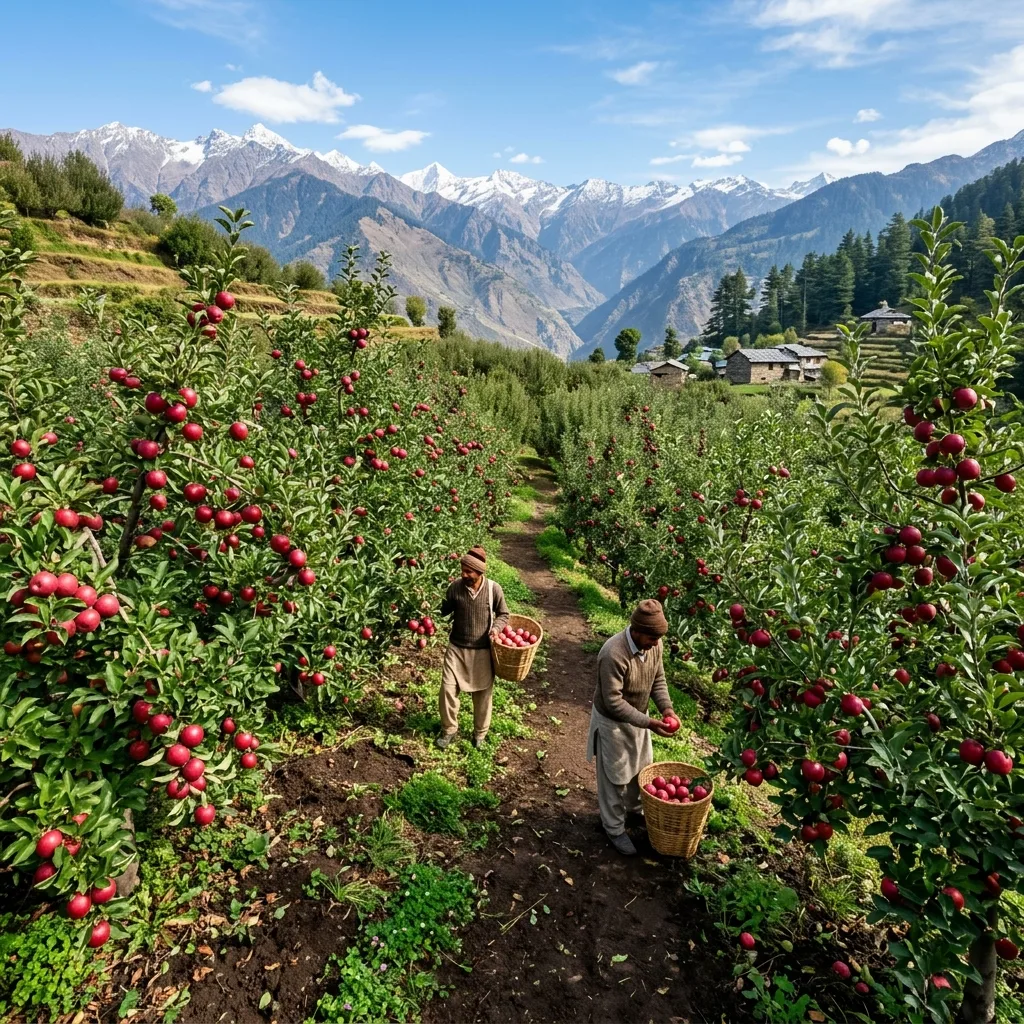
Field guide / example scenario. Names and outcomes below illustrate a typical orchard transition pattern—not a guaranteed result for every block. In 2019, Rajinder Singh’s two-acre Royal Delicious block near Shimla looked tired—small fruit, pale colour, and soil that had stopped responding to DAP. By 2025, after a biology-first plan with Satva Organics vermicompost and proper timing, his block showed stronger bloom and better fruit colour in local mandi grading.
The Apple Dilemma in Himachal
Apple is Himachal’s signature crop, yet many growers face the same pattern: harder soil, weaker flowering, and fruit that does not colour or size the way buyers want. Years of urea and DAP gave a short growth spike but stripped beneficial fungi and bacteria. Phosphorus sat in the soil—unavailable to roots—even as input bills climbed.
Rajinder tried foliar sprays and extra chemical top-dressing. Yields stayed flat. A soil test at the local KVK showed low organic matter and locked nutrients. That is when he switched to a biology-first plan with vermicompost.
What Vermicompost Does for Apple Trees
Vermicompost is earthworm-processed organic manure rich in humus, enzymes, and microbes. For apples it helps in three ways:
- Soil structure: Organic matter binds particles on slopes—critical before monsoon rains.
- Moisture: Better water retention means less stress between showers on terraced blocks.
- Nutrient access: Microbes unlock phosphorus and micronutrients already present in the soil.
Satva Organics vermicompost goes further with neem and mustard botanical extracts plus Trichoderma—supporting root-zone defence in wet HP soils. Read more on why bioactive manure beats plain compost.
Rajinder’s Application Plan
He treated vermicompost as a seasonal programme—not a one-time bag dump:
- Spring (April–May): 5–8 kg per mature tree under the canopy drip line; light incorporation; irrigate within 24 hours.
- Pre fruit-set: A lighter top-dress where flowering was weak the previous year.
- Monsoon prep: Combined with cover advice from his KVK contact—see our monsoon farming hacks for timing tips.
Observed Changes Over Two Seasons
After the first season, Rajinder reported greener flush and denser bloom clusters. By the second season, fruit size and colour improved in his mandi grading. He also reduced chemical top-dressing while maintaining comparable yield in his records—saving on input cost while building soil for the long term. Your results will depend on soil test, tree age, and local weather.
"My grandfather farmed this land with cattle manure. Satva vermicompost brought that living soil feeling back—but with science we can repeat every year," Rajinder says.
How to Replicate This in Your Orchard
- Get a soil test (pH, organic carbon, P, K) before the season.
- Apply before flowering; never leave bags open in direct sun on terrace roads.
- Keep a 7–10 day gap if you must use fungicides—protect the microbes you just added.
- Track bloom, fruit set, and mandi grade—not just bag NPK numbers. Our NPK vs vermicompost guide explains why.
Frequently Asked Questions
How much vermicompost per apple tree?
5–8 kg for mature trees; 2–3 kg for young plants. Adjust after soil test.
Will vermicompost wash away in monsoon?
Incorporated compost binds to soil particles and releases nutrients slowly—it is far less prone to single-storm loss than soluble urea.
Ready to plan your orchard season? See our apple orchard guide, bulk supply page, or contact us for Shimla, Solan, and Kinnaur guidance.
Need crop-wise guidance or bulk supply?
Get Apple Orchard Dosage Guide