
UP Sugarcane Growers: Cut Fertilizer Costs with Vermicompost
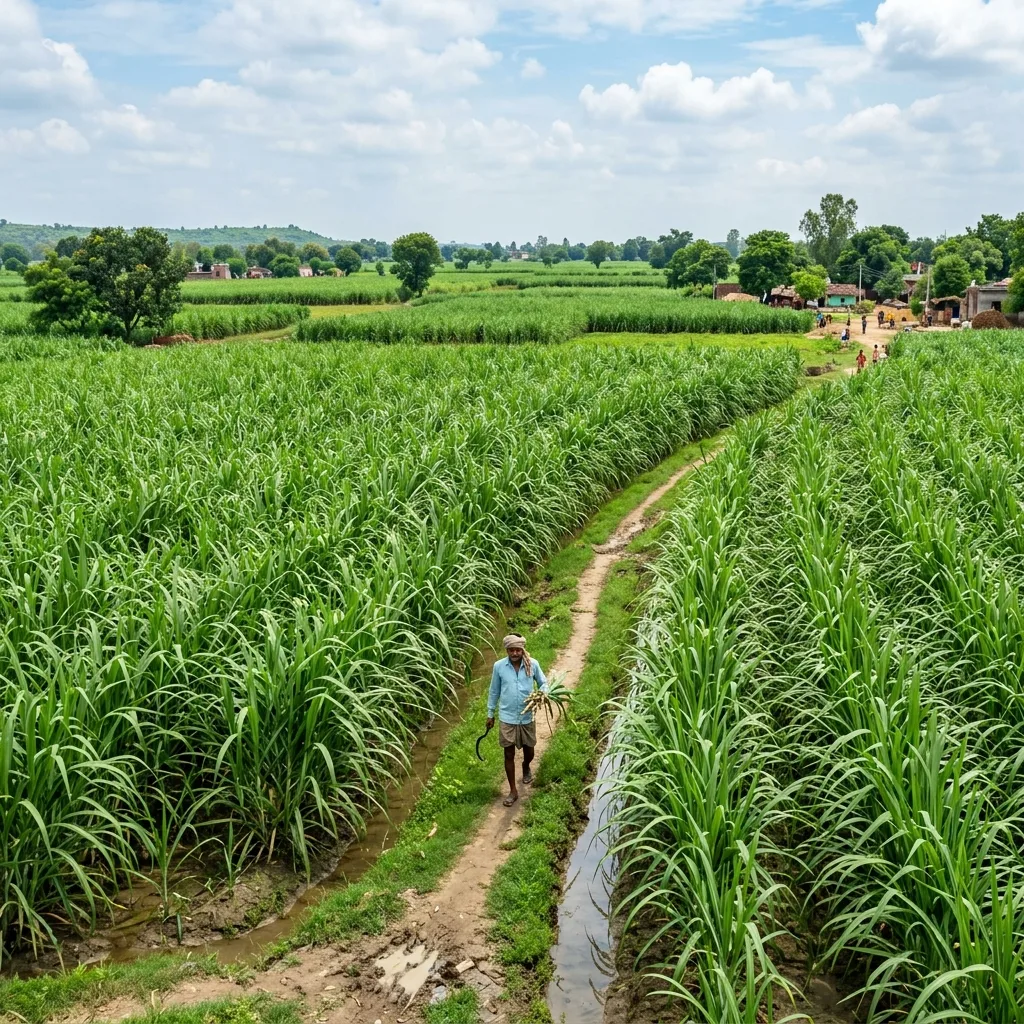
Sugarcane in western and eastern UP runs on urea and DAP—and on thin margins. When input prices rise, the first question on every Meerut and Gorakhpur field is: can we cut cost without cutting tonnage? Vermicompost is not a magic switch, but a growing number of growers use it to trim chemical bills while rebuilding soil that ratoon after ratoon has drained.
Where the Money Goes Today
Typical programmes stack multiple chemical top-dresses per season. Each pass costs cash and labour—and excess nitrogen often volatilizes or leaches before roots use it. Over years, alluvial plots that once responded quickly to urea now need more bag for the same visual greening.
How Vermicompost Changes the Equation
- Slow nitrogen: Organic release matches crop demand across the grand growth period.
- Ratoon vigour: Better root-zone biology helps the next stool establish faster.
- Soil structure: Organic matter improves infiltration on flood-prone beds—see NPK vs vermicompost.
A Practical Transition Plan
Do not drop all chemicals overnight—transition over two ratoons:
- Season 1: Replace 20–30% of basal chemical with incorporated vermicompost at planting.
- Season 2: Adjust top-dress based on tissue colour and soil test; many growers maintain yield with lower urea.
- Track cost per tonne: Compare mandi/plant weight against total input spend—not just bag count.
Sugarcane in UP? Order Satva Vermicompost in 50 kg bags or bulk—get a quote for your district.