
Using Vermicompost in Vegetable Farming: Dos and Don’ts for Maximum Yield
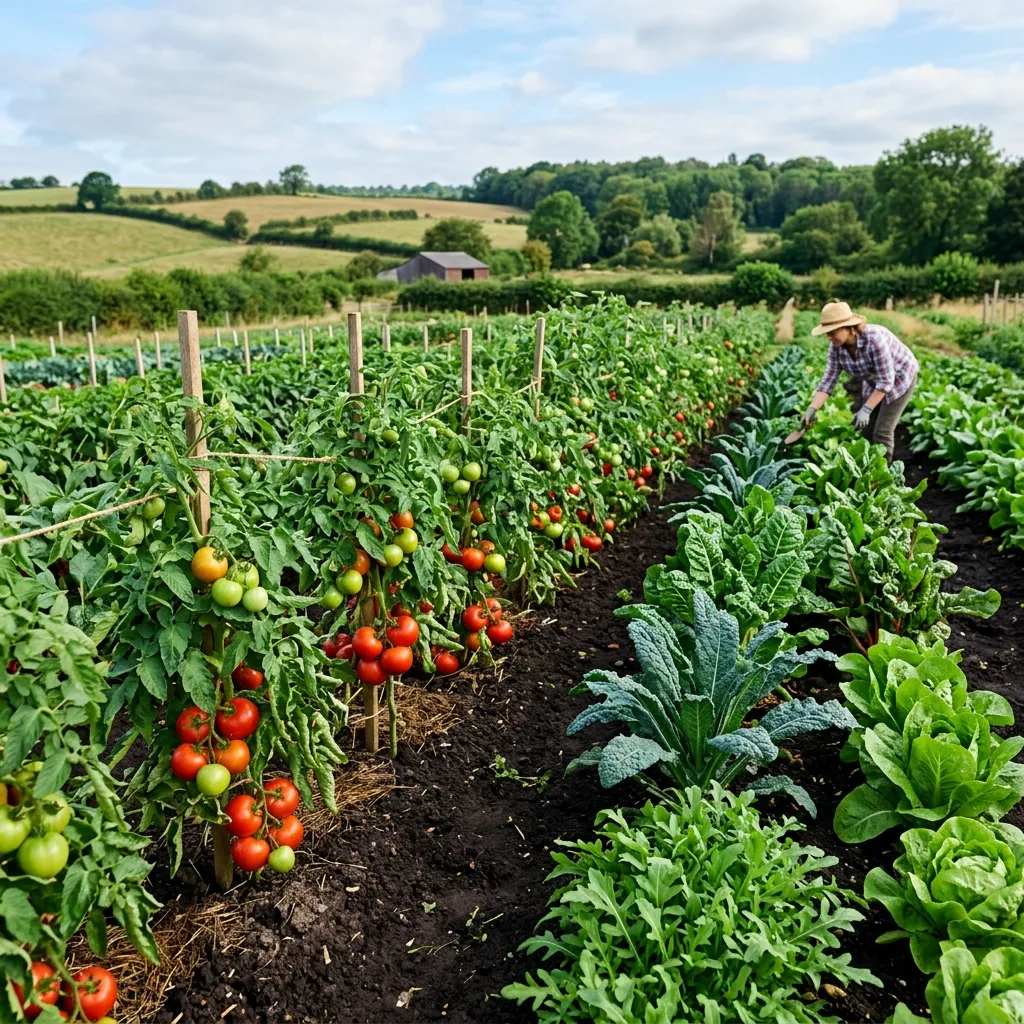
Whether you grow tomatoes in western UP, cabbage in Himachal valleys, or polyhouse capsicum in Jammu, nutrient-rich soil is the foundation of a healthy crop. Vermicompost works—but only when applied correctly for your region and crop.
The Dos
1. Mix thoroughly into the topsoil
Incorporate vermicompost 5–10 cm deep—not just on the surface. This protects microbes from UV and places nutrients in the root zone.
2. Water after application
Moisture activates microbial life. Irrigate within hours, especially in UP plains and JK polyhouses where drying is fast.
3. Use as a seedling starter
Blend 20–30% vermicompost into nursery media. It will not burn young roots and improves germination in HP and JK nurseries.
The Don’ts
1. Don’t leave it in direct sun
Store bags in shade. High-altitude UV in HP and JK kills Trichoderma and other beneficial organisms quickly.
2. Don’t replace irrigation
Vermicompost improves water retention but vegetables still need scheduled irrigation—especially in UP summer.
3. Don’t mix with harsh chemicals same day
Fungicides and bactericides applied with compost destroy the biology you just added. Keep a 7–10 day buffer if chemicals are unavoidable.
Elevate Your Vegetable Farming
Follow these rules and Satva Organics enriched vermicompost delivers healthier plants, better pest resilience, and stronger mandi-ready yields across North India.
Need crop-wise guidance or bulk supply?
Ask for Polyhouse Crop Guide